📚 Unit 4: Words of Wisdom
Words and Expressions 1
Reprint 2025-26
📖 Modules: 0/6
⭐ Score: 0
⏱️ Time: 0:00
Welcome to "Unit 4: Words of Wisdom"
Welcome to Unit 4 of Words and Expressions! In this interactive lesson, you will explore the wisdom of great thinkers, analyze thought-provoking texts, and enhance your vocabulary and grammar skills.
This unit features quotes from famous personalities, reading passages by Albert Einstein, correspondence between Einstein and Gandhi, and Rudyard Kipling's inspiring poem "If."
Let's Begin
Look at the pictures and identify who they are. Write their names in the given spaces. The quotes against each picture may also help you recognize them.
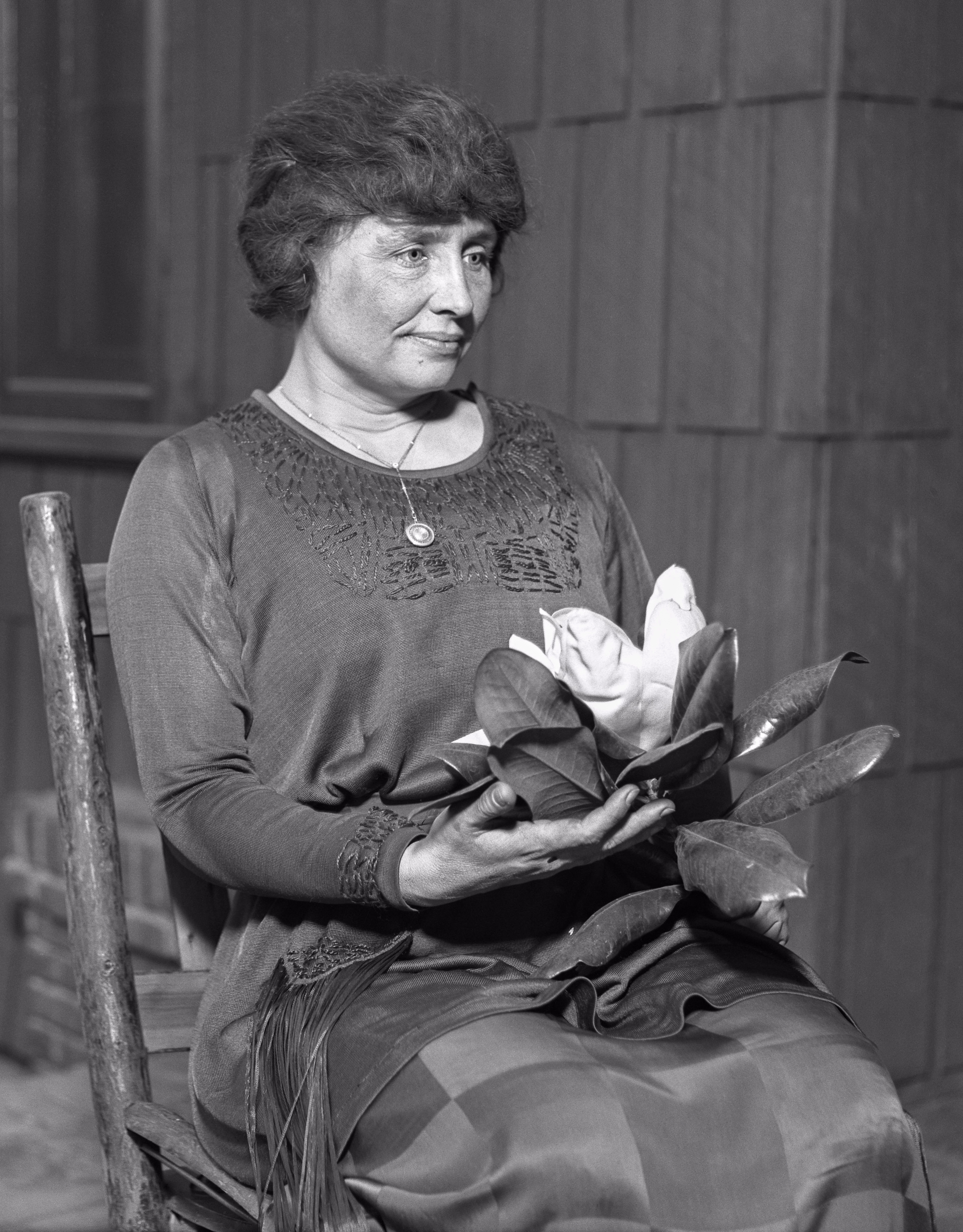
"The best and the most beautiful things in the world cannot be seen or even touched – they must be felt with the heart."
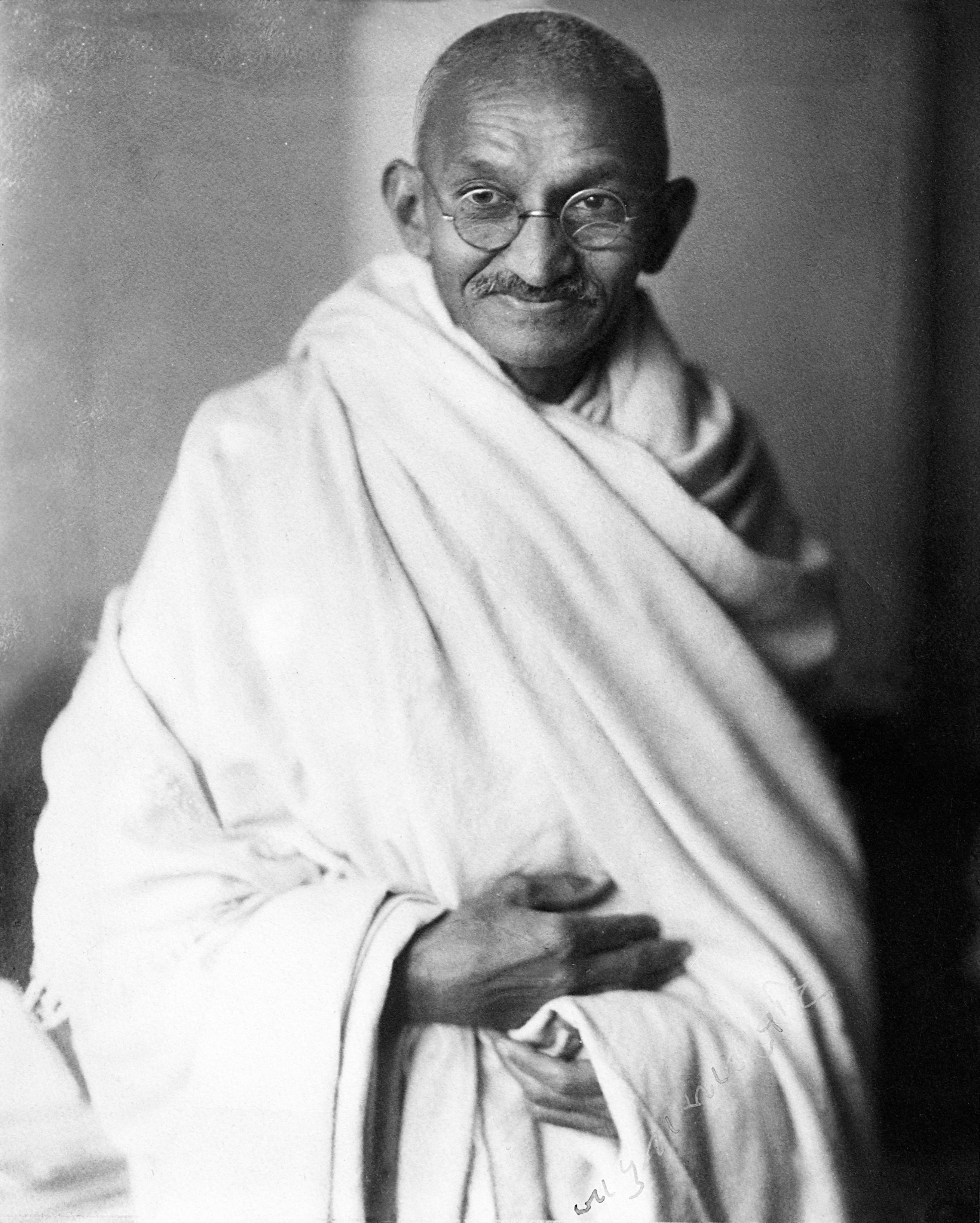
"One individual may die for an idea, but that idea will, after his death, incarnate itself in a thousand lives."
Activity: Reflection on Quotes
How do the quotes reflect the beautiful mind of the personalities mentioned? Discuss in pairs of four, jot down your points, and then present to the class.
Reading Comprehension Questions
Vocabulary
Different usages of "world" - Read the sentences given below and find out the meanings of 'world' in each sentence:
My mother means the world to me.
Vasco da Gama sailed round the world.
He is a big name in the world of fashion.
Stars from the sporting and artistic worlds participated in the function.
She is a simple person in real world as well as in the movies.
Fun Fact
Did You Know?
The sentence "the quick brown fox jumps over the lazy dog" uses all the letters of the alphabet in the English language.
Participle Clause
You have read about and done exercises on participle clauses. We know that a participle clause is a form of adverbial clause which enables us to say information in a more economical way. We can use participle clauses when the participle and verb in the main clause have the same subject.
Example: Waiting for John, I made some tea.
Exercise 1: Choose the correct option for the sentences below.
Waiting for the doctor,
in the jungle, George had to find the way out on his own.
our pottery will last for generations.
a holiday, all the banks were closed.
for so long, he had lost all hope.
Editing Exercise
There is an error in each line. Underline the incorrect word and write the correct word in the blank given. The first one has been done for you as an example.
Read the passage carefully:
I entred the manager's office and sat down. I have just lost five hundred rupees and I feel very upset. "I leave the money in my desk," I said, "and it is not there now". The manger was very sympathetic but he can do nothing. "Everyone loses money theses days," he said. He start to complain about this wicked world, but is interrupted by a knock at the door.
Correct the errors:
1.
entred
2.
feel
3.
leave
4.
manger
5.
can
6.
theses
7.
start
8.
is
Activities
🎧 Listening Activity
Listen to the story of Gautama Buddha and Angulimala. Your teacher or classmate will read the story aloud. Listen to it carefully and then answer the questions that follow.
Questions:
1. Why did the people of Kosala warn the Buddha not to go into the jungle?
2. Why was Angulimala considered to be a terror?
3. What enraged Angulimala when he saw the Buddha?
4. Why did the robber hesitate to kill the Buddha?
5. What kind of transformation took place in Angulimala?
6. Why did people start respecting Angulimala?
✍️ Speaking Activity
A debate competition is being organized in your school. Take a stand for or against this statement: "Our happiness in life depends entirely on our mental attitude." Prepare an outline of the main points in the order in which you wish to present them (in about 100 words), giving reasons for your point of view.
- Debate is a contest between two speakers or two groups of speakers to show skill and ability in arguing.
- A proposition, a question or a problem is required for this purpose, which can be spoken for or against.
- To participate in a debate, one must prepare for it. So, one must prepare an outline of the main points in the order in which one is going to argue.
- There are the limitations of time (only 5 to 6 minutes are allowed).
- The speaker addresses the audience.
- Every topic/subject has its own vocabulary. These must be learnt.
- The speaker addresses the Chair (Mr President/Madam), 'submits' an argument, 'appeals' for sympathetic understanding and support, 'questions' the opponent's views and 'concludes' an argument.
Topic: "Our happiness in life depends entirely on our mental attitude."
Introduce the topic with a quotation.
Highlight the main points.
Elaborate the points by arguing logically and convincingly.
Give your opinion in the concluding paragraph.
🔍 Project Work
You have read about Stephen Hawking in Class VIII. Go through the text once again and gather information about his genius. You can also search web resources. Follow the steps given below and then write what made Hawking a genius.
- Who is a genius?
- What are the attributes that make a person a genius?
- How is Stephen Hawking a genius?
- What is he famous for?
- What books has he written?
- Refer to the obituaries written by people on him and find out his inspiring qualities.
Helpful Resources:
📚 Fun Facts About Language
Different usages of Regret
- I regret to inform you that the musical concert is cancelled.
- I regret missing the study tour.
- Maya left her job with no regrets.
- Do you regret declining the offer to be the class monitor?
Elicit / Illicit
Elicit is a verb that means "to bring out".
Illicit is an adjective which means "unlawful".
Incorrect: The questionnaire was intended to illicit information on disaster management.
Correct: The questionnaire was intended to elicit information on disaster management.
Incorrect: An upright person does not shy away from reporting elicit incidents to the Police.
Correct: An upright person does not shy away from reporting illicit incidents to the Police.